A Midwinter Gathering, Planned Around Conversation
Plan a midwinter gathering around conversation with comfortable seating, a simple shared activity, and an easy way for guests to arrive or leave.
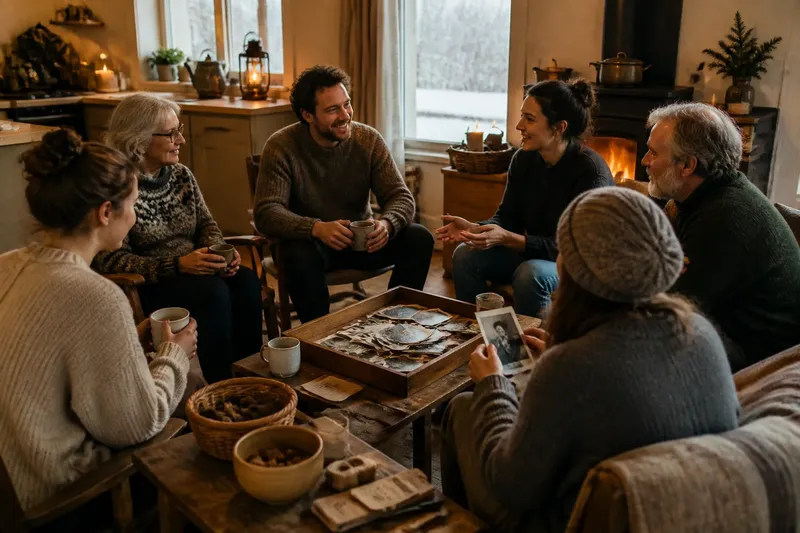
The common mistake with a midwinter gathering is to fill every quiet moment with food, games, or a schedule; the cost is that conversation becomes one more activity to keep up with. A gathering planned around conversation leaves space for people to settle, listen, and step away without making a production of it.
Start with a modest invitation and a clear sense of the room you can offer. You do not need a theme or an elaborate program. You need a place where people can hear one another, a shared point of focus for anyone who wants it, and a hospitable way to come and go.
What makes conversation the center of the gathering?
Conversation-centered does not mean everyone must talk, stay for the whole gathering, or take part in every activity. It means the arrangements support easy exchanges rather than competing for attention. A pot simmering in the kitchen, music loud enough to cover pauses, or a string of planned events can turn a relaxed visit into a performance.
Choose one simple purpose for the gathering, such as catching up during the dark part of the year or sharing a few stories from the season. Put that purpose in the invitation so guests know what kind of occasion they are joining. “Come for a warm drink and an unhurried visit; drop in when you can” sets expectations more clearly than a packed schedule.
Keep the guest list small enough for people to hear one another without raising their voices. The right number depends on the room and the group’s habits, not on a universal rule. If several guests do not know one another, make introductions with a little context: how they know the host, what part of the area they call home, or a shared interest they might enjoy discussing.
How should you arrange the seats?
Arrange seats so people can see one another without lining up as if they are attending a presentation. A loose circle or a shallow U shape often works better than chairs pushed against every wall. Leave enough space for someone to join the conversation without climbing over a bag or interrupting a person’s route through the room.
Mix chairs with a bench or sofa if that suits the space, but check that no one is left perched at the edge of the group. Put a small table within reach for cups, glasses, or knitting, and keep the main walking route clear. A chair angled slightly toward the group is an open invitation; a chair turned away can offer a quieter place without requiring anyone to explain why they need one.
Think about who may need a particular seat. A guest who tires easily might prefer a chair near the entrance or restroom, while someone who reads lips may need a well-lit place facing the group. Ask about access needs when you invite people, and make changes that preserve choice rather than singling anyone out.
Conversation needs a little room to breathe, much like a table needs space for serving bowls: crowd the surface and every hand has to negotiate. Keep coats, boots, and extra chairs out of the main seating area. If the gathering is in a kitchen, move the busiest tasks elsewhere before guests arrive so the room does not become a bottleneck.
What shared activity can support a quiet visit?
Choose an activity that gives hands something to do without asking everyone to concentrate at once. Mending, shelling nuts, sorting recipe cards, or looking through a small stack of family or local photographs can create natural openings for talk. Leave participation optional and avoid an activity with instructions that require one person to lead continuously.
Say you invite a few neighbors who have different work schedules and bring a tin of old local photographs to the kitchen table. You could leave the pictures loose in a shallow tray, with a note inviting anyone to choose one and share what they recognize. The expected result is an easy conversation starter that people can join, set aside, or return to without stopping the whole gathering.
For a quieter group, offer a shared seasonal task with a clear stopping point, such as tying tags onto jars for guests to take home. For a group that enjoys stories, ask people to bring a remembered winter sound, meal, or saying, while making clear that listening is participation too. Avoid turning memories into a round-robin where every person has to speak in sequence.
Keep materials visible and simple: a basket of mending, paper tags and pens, or a few recipe cards. Do not introduce several activities “just in case.” Too many choices can make a gathering feel like a fairground of small obligations, while one optional activity can quietly give the room a shared center.
How can guests arrive and leave comfortably?
Give the gathering a broad arrival window and say plainly whether guests may drop in late or leave early. If someone is traveling from a rural road or fitting the visit around chores, a flexible time can make attendance easier. Include the practical details that prevent uncertainty: where to park, which door to use, and whether the path or entrance has a step.
Do not make an early departure into a public event. A brief “I’m glad you came” is enough; the host can continue talking with whoever remains. If you expect to be occupied when guests arrive, ask one familiar person to welcome them and point out where to leave boots and coats.
Plan the food and drink so late arrivals can help themselves without needing a fresh explanation. A pot of tea, coffee in a carafe, water, and a few simple snacks are easier to manage than dishes that need close attention. Label anything that may be unclear, and ask about dietary needs before choosing food; where an ingredient or preparation matters, follow the product label and the guest’s guidance.
Make the invitation clear about what guests should bring, if anything. “Bring nothing” is useful if you mean it; if a shared dish would help, say what kind of contribution fits and whether it needs to be ready to serve. This avoids a quiet contest over who has brought the most.
How do you keep the mood unhurried?
Set a comfortable pace before guests arrive. Finish the loudest preparation early, turn off background sound if it competes with voices, and leave a little time between arrivals rather than greeting everyone while managing a hot dish. If music matters to your group, choose something quiet enough that people can ignore it.
As host, you can help a conversation move without controlling it. Introduce someone to a topic they know, ask a specific question, and give people time to answer. “What did you like to do after school in winter?” offers a clearer opening than “Tell us something interesting,” but no question needs to become a demand for a story.
Notice when a topic has run its course. You can offer tea, bring out the shared activity, or ask whether anyone wants to move to a quieter seat. If a conversation becomes uncomfortable, change direction gently or speak with the people involved rather than asking the whole room to resolve it.
Leave room for silence. Guests may be tired, shy, or content to listen, and a pause does not automatically need repair. A host who tolerates a quiet moment gives others permission to be present without supplying constant entertainment.
What should you decide before sending the invitation?
- Room and access: Which entrance will guests use, and is there a clear path to a seat and restroom? Add useful access details to the invitation.
- Seating: Can guests see one another, and is there a quieter place to sit? Rearrange chairs before the day rather than during arrivals.
- Timing: Is this a set-time visit or a drop-in window? State when guests can arrive and whether leaving early is fine.
- Activity: What single optional task or prompt can support conversation? Put out only the materials needed for it.
- Food and drink: What can be served without keeping the host in the kitchen? Ask about dietary needs and explain whether guests should bring anything.
- Welcome: Who can greet guests if you are briefly occupied? Agree on a simple handoff and show that person where essentials are.
What questions do hosts often ask?
How many people should I invite?
Invite the number your space can hold comfortably while allowing people to hear one another. If you are unsure how a group will mix, begin with a smaller gathering and leave the next invitation open for another day.
What if guests do not know one another?
Make warm introductions that offer a natural thread, such as a shared place, interest, or acquaintance. Then let the guests choose whether to follow it; avoid reciting private details or putting someone on the spot.
Should I plan a conversation topic?
A gentle prompt can help, especially if people arrive at different times, but it should be an invitation rather than an agenda. A seasonal question or a photograph on the table can start talk without requiring everyone to answer.
How do I handle a guest who wants to leave early?
Thank them for coming and let them go without asking for a reason. A gathering designed around conversation leaves each person free to take part for the time that suits them.
What small detail helps the gathering feel welcoming?
Make the first few minutes easy. Keep a lamp on near the entrance, set out a place for wet boots or coats, and have a drink ready that does not require the arriving guest to choose from a long menu. Those small signals reduce the awkwardness of walking into a room already in motion.
A midwinter gathering planned around conversation does not need a memorable program. It needs a room that lets people hear, an optional activity that offers a point of connection, and an invitation with enough practical detail to make joining easy. Once those pieces are in place, the most useful thing a host can do is leave time for the visit to take its own shape.
For your next midwinter gathering, decide first where a guest will sit and how they will enter; those choices often shape the whole visit. Then keep the rest light, so conversation can follow the people who came rather than a schedule they have to obey.