Why a Village Fair Keeps Its Annual Date
Why a village fair keeps its annual date: learn how a familiar place in the year helps neighbours plan, return, and welcome changes without losing tradition.
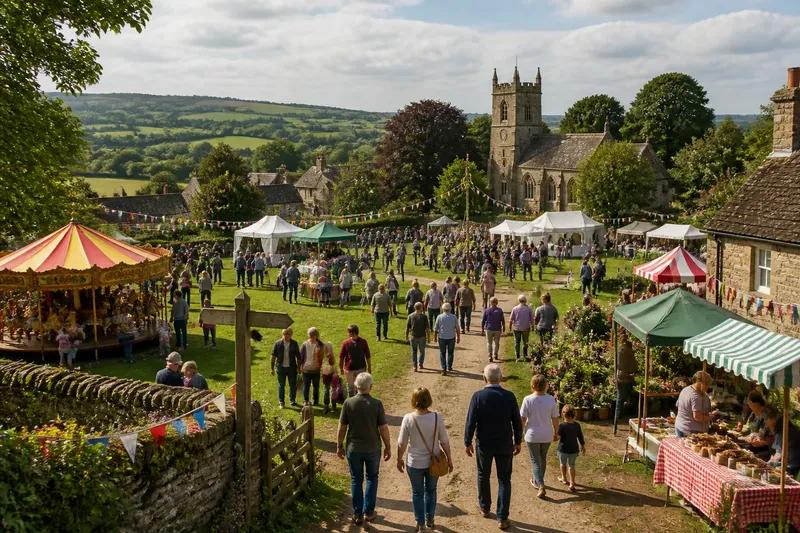
The common mistake is to treat a village fair’s annual date as a detail that can be shifted whenever the calendar gets crowded. Move it casually and you may unsettle more than a booking: families have fitted the fair into harvest work, school breaks, visits, and the local habit of seeing people who live elsewhere. A fixed date gives the gathering a dependable place in the year, even as its stalls, music, and activities change.
What does a fixed date do for the village?
A recurring date acts like a peg on a kitchen calendar. People can hang plans around it without needing a new announcement each season. Someone who has moved away may know to come back for the fair; a local baker may set aside time to prepare; a volunteer can ask for help before other commitments fill the week.
The date also creates a shared reference point. “After the fair” or “before fair week” can help neighbours place other plans, even when they do not attend. That quiet usefulness is easy to miss because it happens long before the first bunting goes up.
For organizers, consistency reduces the number of decisions that must be reopened. The date can become a starting assumption, leaving energy for practical questions such as who will run the tea table, where visiting craftspeople can set up, and how to make space for newcomers.
Why keep the date when the season changes?
A fair often sits among the year’s ordinary demands rather than outside them. Weather, farm work, school calendars, local holidays, and the availability of a hall or field can all shape attendance. A familiar date does not remove those pressures, but it makes them easier to anticipate and discuss.
That does not mean a date is sacred. If a venue becomes unavailable or local conditions make the usual day impractical, organizers may need to choose another. The important distinction is between a considered change, explained clearly, and a last-minute shift that leaves people guessing. Where calendars, venue rules, or local requirements apply, check them with the relevant organizer or authority.
When a change is necessary, explain what prompted it and say whether the new date is a one-time adjustment or a new annual arrangement. Share that information through the channels people already use: a notice at the village shop, a local bulletin, a community group, or a message passed through clubs and families. A clear explanation helps keep the gathering legible as part of the year.
How can the fair change and still feel familiar?
Keep a few recognizable features while refreshing the rest. The familiar elements might be the route from the green to the stalls, a shared opening moment, a particular local group’s performance, or the custom of making a round of visits before the afternoon ends. A new food stall or activity can sit comfortably beside those anchors.
Think of the fair as a well-used table: people recognize its place and purpose even when someone changes the cloth or adds a different dish. The useful question is not whether every detail repeats, but whether returning visitors can still tell what gathering they have arrived at.
Say a volunteer committee wants to add a repair-and-mending stall but worries that it will alter the fair’s character. Imagine they keep the annual date, the usual meeting point, and the customary welcome, then invite a local sewing group to host the new stall. Visitors can recognize the familiar occasion and also find something they have not seen there before.
What should organizers decide before announcing the date?
- Check the customary date. Ask longtime volunteers and local groups what people expect, and note whether the date is tied to a seasonal task or another community commitment.
- Confirm the place. Make sure the field, green, hall, or other gathering space is available before publicizing a plan.
- Look at nearby commitments. Ask clubs, schools, and neighboring communities about conflicts that could affect attendance or volunteer help.
- Decide what stays familiar. Name the elements that help people recognize the fair, such as its meeting point, welcome, or recurring activity.
- Choose what can change. Invite suggestions for a new stall, performance, display, or way to include people who have not joined before.
- Set a clear announcement plan. Pick the local noticeboards, newsletters, and word-of-mouth contacts people rely on, and give them the same date and explanation.
- Make a simple record. Note the date, venue, main arrangements, and what organizers would want to remember for next year.
How should a date change be handled?
Start by deciding who needs to be involved. A fair may be run by a committee, a local association, or a loose group of neighbors; the people responsible for the venue and shared arrangements should be part of the decision. Ask for concerns early, especially from volunteers whose work depends on the chosen day.
Then state the decision plainly. If the date is moving, put the old and new dates in the same announcement and explain whether the change applies only this year. Avoid relying on a vague phrase such as “the usual weekend,” which can mean different things to different households.
After the fair, keep a short note of what the date made possible and what caused friction. Record observations rather than verdicts: perhaps a local group could attend more easily, or the venue was difficult to prepare on that day. Those details help the next organizers make a choice grounded in local experience rather than habit alone.
What do people ask about a village fair date?
Why do village fairs often return on the same date?
A recurring date gives residents, former residents, and local groups a dependable point for making plans. Over time, it can become part of the community’s way of organizing the year.
Should a fair always be held on the exact same day?
Not necessarily. A fixed date can be a useful tradition, but venue access, seasonal work, and other local commitments may call for a thoughtful adjustment.
How can organizers keep a fair familiar while adding new activities?
Retain a few recognizable features, such as the meeting place or a customary welcome, and add new activities around them. That lets returning visitors recognize the gathering without requiring every detail to stay unchanged.
What is the clearest way to announce a date change?
Give the specific new date, explain whether the move is temporary or ongoing, and use channels that reach both regular attendees and people who may be returning from elsewhere. Ask local groups to pass on the same information.
A village fair keeps its annual date not because every year must look alike, but because people need a reliable moment to meet again. Preserve that dependable point in the local year, explain changes when they are needed, and leave room for the next generation of neighbors to add a reason to return.